.png)
The Hidden World of Home Plumbing: Understanding Your Lifeline
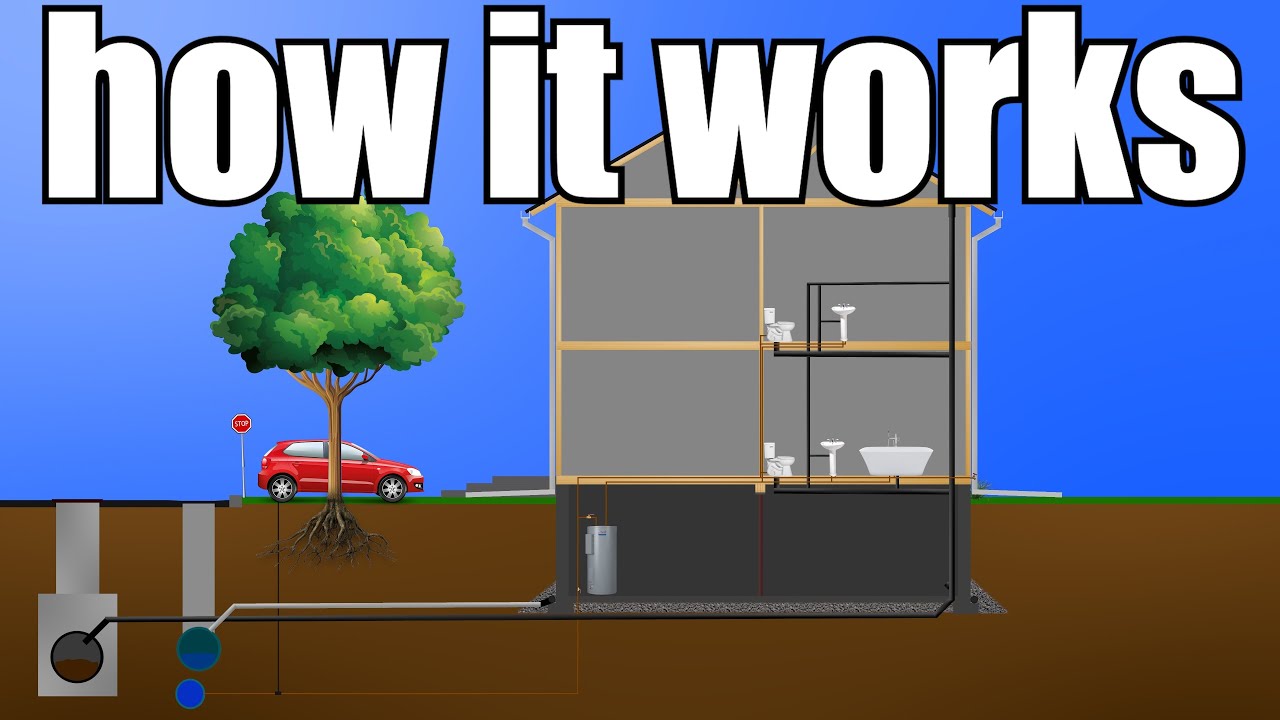
Imagine waking up in the morning, ready to brush your teeth, shower, and enjoy a cup of coffee. What if, in the middle of your routine, you realized that none of this was possible due to a plumbing failure? Understanding how plumbing works in our homes is not just an interesting fact; it’s essential for managing daily life. In this post, we'll take a fascinating dive into the various components of home plumbing, drawing from personal experiences and the technical know-how that keeps our homes running smoothly. The Essential Components of Home Plumbing When you think about your home, you might picture cozy rooms, beautiful decor, or maybe even the garden. But have you ever considered the plumbing? It’s often overlooked, yet it plays a vital role in our daily lives. Every aspect of our daily life relies on the unseen plumbing system that runs beneath our homes. This blog will explore the essential components of home plumbing, including waste drains, waste vents, potable water systems, and rainwater management. 1. Waste Drains and Their Materials Waste drains are the backbone of any plumbing system. They transport waste from various fixtures like toilets, sinks, and showers to the main drainage system. But what materials are these drains made of? The most common materials include: ABS (Acrylonitrile Butadiene Styrene): A lightweight plastic that is resistant to impact and easy to install. PVC (Polyvinyl Chloride): Another plastic option that is durable and cost-effective. Cast Iron: A traditional material known for its strength and longevity, often used in older homes. Each material has its pros and cons. For instance, while cast iron is sturdy, it can be heavy and difficult to work with. On the other hand, ABS and PVC are lighter and easier to handle, making them popular choices for modern plumbing. Drain pipes are designed to slope slightly toward the main drainage system. This slope allows gravity to do its job, ensuring waste flows smoothly. To maintain these pipes, cleanouts are installed. These are access points that allow plumbers to clear blockages and perform maintenance tasks. Drain Pipe Sizes Understanding drain pipe sizes is crucial for effective plumbing. Here’s a quick overview: Fixture Drain Pipe Size Toilets 3 inches Sinks 2 inches Showers 1.5-2 inches These sizes are not arbitrary; they are designed to ensure proper flow and prevent clogs. For instance, toilets require larger pipes due to the volume of waste they handle. 2. Importance of Waste Vents Waste vents might not be the first thing that comes to mind when discussing plumbing, but they are essential. Waste vents allow air to enter the plumbing system, which helps maintain proper pressure. Without vents, negative pressure can build up, leading to slow drainage or even siphoning water out of traps. Imagine flushing a toilet without a vent. The sudden rush of water would create a vacuum, causing gurgling sounds and potentially leading to a backup. This is why proper venting is crucial. Roof vents are commonly used to provide air access. They must remain clear of debris to function effectively. Preventing Sewer Gas Infiltration Another critical function of waste vents is to prevent sewer gases from entering the home. These gases can be harmful and unpleasant. By allowing air to circulate, vents help keep these gases contained within the plumbing system. 3. Overview of Potable Water Systems Potable water systems are responsible for delivering clean, drinkable water to homes. Typically, water enters the home through a copper line that is three-quarters of an inch in diameter. This line connects to a shut-off valve, which is usually located in the basement. From there, the water flows to a hot water tank, where it is heated and distributed throughout the home. While older homes might still have CPVC or copper lines, newer constructions often use PEX (cross-linked polyethylene) due to its flexibility and ease of installation. In rural areas without municipal water services, residents often rely on wells. These wells can be drilled deep into the ground, sometimes reaching 500 feet, to access groundwater. A generator is recommended for these systems to ensure water availability during power outages. 4. Significance of Rainwater Management Rainwater management is often an overlooked aspect of plumbing. Historically, rainwater was combined with sewage systems, but modern practices have separated these systems. This separation improves water management and reduces the risk of contamination. Rainwater collected on rooftops is channeled into gutters that divert water away from the house. This is crucial for preventing water damage. Many homeowners opt to install downspouts or rain barrels to collect water for non-potable uses, like watering gardens. However, improper connections to municipal drains can lead to overloading, which is problematic. A French drain is one solution to manage excess groundwater around a home’s foundation. This system uses a perforated pipe surrounded by gravel to redirect water away from the foundation. Waste and Rainwater Treatment After leaving a home, wastewater is typically pumped to municipal treatment facilities. Here, it undergoes multiple filtration and treatment stages before being released back into nearby rivers. Conversely, rainwater is often diverted directly into rivers. This cycle is essential for maintaining clean water sources. Conclusion Understanding the essential components of home plumbing is vital for homeowners. Waste drains, waste vents, potable water systems, and rainwater management each play a significant role in ensuring a home's plumbing functions efficiently. By being aware of these systems, homeowners can better appreciate the work that goes on behind the scenes. Proper maintenance and knowledge can lead to a healthier, more sustainable living environment. In the end, the plumbing system, while often unseen, is crucial for our daily lives.TL;DR: Home plumbing is an intricate system involving drainage, venting, and water management, essential for daily life. Understanding its components aids homeowners in maintaining their plumbing effectively.
Jen
Jan 6, 2025 • 5 Minutes Read

Jan 6, 2025
Heat Won’t Stop Running But Thermostat is Off
Imagine stepping into your home on a chilly winter's day, only to be met with unexpected warmth. This scenario seems pleasant until you realize your thermostat is set to off and the heating system is still running. In this post, we'll explore one homeowner's dilemma of a runaway heat system, guiding you through the troubleshooting steps and solutions that could save your comfort and your wallet. Heat Won’t Stop Running But Thermostat is Off Understanding the Problem: Why Is the Heat Running? Have you ever wondered why your heating system keeps running even when the thermostat is turned off? This is a common issue that can leave homeowners scratching their heads. Understanding the runaway heating problem is crucial for effective troubleshooting. Overview of the Runaway Heating Issue Runaway heating occurs when your system continues to produce heat despite being instructed not to by the thermostat. This can lead to uncomfortable living conditions. Imagine walking into a room that feels like a sauna while the thermostat reads a cozy 68 degrees. Frustrating, right? Such a scenario can be the result of various underlying issues. Symptoms can range from excessive heat output to inefficient heating cycles. It’s not just annoying; it can also be costly. When the heat keeps running, it can drive up energy bills significantly. Common Causes for Heat Running Despite Thermostat Being Off Faulty Thermostat: A malfunctioning thermostat may send incorrect signals to the heating system. This is often the first suspect in runaway heating issues. Zone Valve Problems: If your heating system uses zone valves, a defective valve could be the culprit. These valves should open and close according to the thermostat's commands. If they fail, the heating system may not be able to stop. Wiring Issues: Improper wiring or short circuits can lead to overheating. This is especially a concern in older systems. Circulator Pump Malfunction: A malfunctioning circulator pump may cause water to flow continuously, keeping the heat on. As the technician in a recent troubleshooting video noted, "A heating problem can often be the result of simple mechanical issues or complex system failures." This sentiment resonates with many homeowners who face heating dilemmas. Differences Between Zone Heating and Central Heating Systems Understanding your heating system’s layout is essential for diagnosing issues. There are two primary types of heating systems: zone heating and central heating. Each has its own mechanics and potential issues. Zone Heating Systems Zone heating systems allow for different areas of a home to be heated independently. This can be beneficial for energy efficiency. However, if one zone experiences a runaway heating issue, it could be due to a malfunctioning zone valve. For instance, if Zone Three of your home is overheating while others remain cold, that specific zone valve might be stuck open. Central Heating Systems On the other hand, central heating systems distribute heat evenly across the entire home. If this system runs continuously, it might be due to a faulty thermostat or issues with the boiler. Central heating systems are typically simpler but can also face challenges like inadequate circulation or pressure problems. In either case, identifying the problem lies in understanding the system's components. Is the thermostat correctly calibrated? Are the zone valves functioning as they should? These questions are vital in diagnosing runaway heating. When faced with heating issues, it's beneficial to have a clear understanding of both the symptoms and the systems involved. Whether it's a simple fix or a more complex problem, knowing what to look for can save time and money. In conclusion, runaway heating is more than just an inconvenience. It's essential to pinpoint the root cause. By understanding the differences between zone and central heating systems, homeowners can approach the problem with greater confidence.Diagnosing a Heating System with Runaway Heat When a heating system runs amok, causing uncomfortable temperatures, it’s time to take action. The first step is to troubleshoot the issue, and it often starts where you least expect it: the thermostat. A properly functioning heating system is crucial for comfort, especially during cold months. So, how do you deal with runaway heat? Let's dive into a step-by-step guide for diagnosing heating issues. 1. Start with the Thermostat Before delving into complex diagnostics, always begin with the thermostat settings. Why? Because often, it’s about “eliminating the obvious problems first before diving deeper into technical tests.” If the thermostat is set incorrectly, it can lead to persistent heat even when you think it's turned off. Check the temperature settings. Ensure it’s not set higher than desired. Look for programming errors. If it’s a programmable thermostat, verify the schedule. Inspect for battery issues. A low battery can cause erratic behavior. It’s important to rule out these simple mistakes first. After all, you wouldn’t want to spend hours troubleshooting when the problem was just a misconfigured setting. 2. Examine Zone Valves for Malfunction If the thermostat checks out, the next logical step is to inspect the zone valves. These components control the flow of hot water or steam to different areas of your home. A malfunctioning zone valve can lead to runaway heat in certain zones while others remain cold. Here’s how to examine them: Locate the zone valves. They are typically found near the boiler or in a mechanical room. Check for visible defects. Look for leaks or signs of wear. Test the valves. Manually operate them to see if they respond correctly. In a previous case, a technician discovered that one zone valve believed it was receiving a call for heat, even when it was not. This was due to a faulty component that seemed engaged but wasn't functioning properly. If you suspect a bad zone valve, disconnect the wires at the control box for further testing. 3. Perform Systematic Checks After checking the thermostat and zone valves, what’s next? It’s time to conduct systematic checks of the entire heating system. Here are a few things to keep in mind: Inspect the boiler. Ensure it’s operating at the correct temperature and pressure. Verify the circulator pump. It should be functioning to distribute hot water effectively. Examine the piping. Look for any signs of blockage or air trapped in the system. These checks can uncover underlying issues that contribute to runaway heat. Remember, troubleshooting is often about the process of elimination. Conclusion Diagnosing runaway heat in a heating system can be frustrating, but starting with the basics can simplify the process. Always begin by checking the thermostat settings. If that’s not the culprit, move on to examining the zone valves. With patience and a systematic approach, most heating issues can be resolved effectively.The Anatomy of a Heating System: Focus on Zone Valves Understanding Zone Valves Zone valves play a pivotal role in heating systems. They control the flow of hot water or steam to specific areas in a home. Imagine your home is a city, and each room is a different neighborhood. The zone valves are like traffic lights, regulating the flow of heat to ensure every neighborhood gets the warmth it needs. When a thermostat calls for heat, the zone valve opens, allowing hot water or steam to flow into the designated area. This process ensures that energy is used efficiently. If one room is warmer than another, the zone valve can be adjusted accordingly. Thus, they provide both comfort and energy savings. Common Issues with Zone Valves However, zone valves are not infallible. There are several common issues that can lead to heating problems: Sticking Valves: If a valve is stuck, it won’t open or close properly. This can lead to uneven heating. Electrical Failures: Sometimes the electrical components that control the valve can fail, leading to malfunction. Leaking Valves: If a valve is leaking, it can cause pressure issues within the heating system. Incorrect Wiring: If the wiring is incorrect or damaged, the zone valve may not operate as intended. These problems can result in rooms that are too hot or too cold. It can also lead to increased energy bills. Understanding these issues is crucial for effective troubleshooting. Steps to Replace a Faulty Zone Valve Replacing a faulty zone valve is a task many homeowners can tackle with the right tools and guidance. Here’s a step-by-step guide to get started: Turn Off the Power: Safety first! Always turn off the power to the heating system before starting any repairs. Locate the Valve: Find the faulty zone valve. It’s often located near the boiler. Remove the Old Valve: Disconnect the old zone valve from the pipes. This might involve using a torch for soldered connections. Install the New Valve: Position the new valve and connect it to the existing plumbing. Make sure the connections are secure. Wiring: Reconnect the electrical wires according to the manufacturer’s specifications. Double-check the color coding to avoid mistakes. Test the System: Once everything is connected, restore power and test the system. Make sure the new valve operates correctly when the thermostat is engaged. As the technician in a recent video mentioned, "Zone valves are crucial in managing heat distribution effectively throughout the home." This reinforces the importance of ensuring they are in good working condition. Preventive Measures Regular inspection of zone valves can prevent costly repairs. Homeowners should check for signs of wear and tear periodically. This includes looking for leaks, ensuring the valve opens and closes smoothly, and verifying electrical connections. Zone valves are not just components; they are integral to a comfortable living environment. A standard Honeywell zone valve, for example, can range from $50 to $200 based on its specifications. Investing in quality components can lead to longer-lasting performance and reliability. Understanding how zone valves function provides essential insights into troubleshooting a heating system effectively. It empowers homeowners to take charge of their heating solutions, ensuring warmth throughout the home.Practical Solutions for Heating Troubles When the chill of winter sets in, a reliable heating system is essential. However, problems can arise. You may find yourself in a situation where your heating system runs continuously, even when the thermostat is off. What can be done? Here are some practical solutions for homeowners. 1. DIY Tips for Homeowners Homeowners can often tackle minor heating issues without professional help. Here are some DIY tips to consider: Check the Thermostat: Ensure that your thermostat is functioning correctly. Sometimes, a simple reset can do wonders. Inspect the Filters: Dirty filters can restrict airflow. Regularly change or clean filters to maintain efficiency. Look for Air Leaks: Check windows and doors for drafts. Sealing these leaks can prevent heat loss. Bleed the Radiators: If you have radiators, make sure to bleed them to remove trapped air that might hinder heating. These steps can often resolve minor issues. They might save money, too. However, if problems persist, it’s time to consider professional help. 2. When to Call a Professional HVAC Technician Some heating problems are beyond the skill set of an average homeowner. Knowing when to call for help is crucial. Here are some signs: Inconsistent Heating: If some rooms are hot while others are cold, it may indicate a more significant issue. Strange Noises: Unusual sounds coming from the heating system can signal mechanical problems. Increased Energy Bills: A sudden spike in heating costs could mean your system is working harder than it should. Frequent Breakdowns: If repairs are becoming common, it’s a sign of an underlying problem. As one expert aptly said, "Safety should always come first—if you're unsure, it's better to consult a professional." A certified technician can diagnose and fix issues you might not even notice. 3. Preventative Maintenance Tips Regular maintenance is key to prolonging the life of your heating system. Here are some simple yet effective preventative maintenance tips: Schedule Regular Inspections: Have your heating system checked annually by a professional. Clean the System: Dust and debris can accumulate. Keeping the area around your furnace clean helps with efficiency. Check Carbon Monoxide Detectors: Ensure your detectors are functional. This is vital for safety. Consider a Maintenance Plan: Many HVAC companies offer plans that include regular check-ups and discounts on repairs. Engaging in regular maintenance can prolong the life of your heating system and enhance efficiency. It’s a proactive approach that can save money in the long run. In summary, tackling heating troubles can feel overwhelming. But with a few DIY tips, knowing when to seek help, and committing to preventative maintenance, homeowners can navigate most heating issues. Your comfort and safety are paramount, so don’t hesitate to take action when needed.Conclusion: Keeping Your Home Warm and Efficient As we wrap up the discussion on heating systems, it’s essential to reflect on the key points covered. Understanding your heating system is vital to ensuring comfort in your home during the colder months. A well-functioning system contributes significantly to a cozy environment and energy efficiency. Stay Vigilant! Regular maintenance of heating systems cannot be stressed enough. Much like a car, your heating system needs check-ups. A simple inspection can help identify potential problems before they escalate. This is especially true for components such as thermostats and zone valves, which play crucial roles in heating efficiency. If the heating system is running when it shouldn't, as many homeowners experience, issues with these parts might be the cause. So, how do you know when to call a professional? If you've done basic troubleshooting—like checking the thermostat or ensuring that the circuit breaker is functioning—and the problem persists, it's time to seek help. A technician can provide the expertise needed to diagnose more complex issues. Remember, it’s better to act sooner rather than later. Delaying repairs can lead to higher energy costs or even system failure. Awareness is Key Keeping an eye on your heating system's performance can save you both time and money. Don’t ignore signs of trouble. Strange noises, inconsistent heating, or even an unexpected spike in energy bills can indicate that something isn’t right. Addressing these issues promptly can prevent larger, more expensive repairs down the road. One of the most important takeaways from our discussion is that knowledge truly is power. As the saying goes, "Knowledge is the first step to taking control of your home’s heating. Stay informed and proactive!" Understanding how your heating system operates allows you to be ahead of any potential issues. Final Thoughts In conclusion, a comprehensive understanding of your heating system will ensure a warm home when you need it most. Homeowners should feel empowered to take action. Regular maintenance and timely repairs can lead to increased efficiency and comfort. Don't hesitate to consult with professionals when necessary. They can provide insights and solutions that might be beyond a homeowner's expertise. By staying informed and proactive, homeowners can maintain a cozy, energy-efficient environment. As winter approaches, remember to check your heating systems and ensure everything is functioning properly. The goal is to enjoy warmth without excessive costs or discomfort. With the right approach, you can take control of your home’s heating and ensure it remains efficient all winter long.TL;DR: If your heating system won't stop running even when the thermostat is off, it may be a faulty zone valve or thermostat issue. This guide breaks down the diagnostic process and offers practical solutions.
13 Minutes Read

Jan 6, 2025
Imagine you’re in the middle of a cold winter and suddenly your pipes freeze – the nightmare of every homeowner. What if there was a way to truly understand how different pipes and fittings perform under these conditions? Well, thanks to some experimental freezing tests conducted a few years ago, we’re diving deep into a comparison of copper, PEX, and Sharkbite plumbing systems to find out which holds up best when the temperature drops. Join us as we revisit those results and gain new insights on preventing plumbing catastrophes in the future! The Scenario: A Cold Reality Check Winter brings a chill that can strike fear into the hearts of homeowners. The reality of frozen pipes is a concern that many face as temperatures drop. When water freezes, it expands. This expansion can lead to pipes bursting, causing significant damage and costly repairs. But how can homeowners prepare for this cold reality? Striking Fear in Homeowners: The Reality of Frozen Pipes Frozen pipes are not just a minor inconvenience; they can lead to major headaches. Imagine waking up to a flooded basement or a wall soaked with water. It’s a nightmare scenario. Homeowners often underestimate the risks until it’s too late. The fear is real, and it’s justified. Water expands when it freezes, leading to pressure buildup. Common areas for frozen pipes include attics, basements, and exterior walls. Preventative measures can save time, money, and stress. So, what can be done to prevent this? Simple steps like insulating pipes, keeping the heat on, and letting faucets drip can make a difference. But understanding the materials used in plumbing is equally important. Overview of the Previous Test Conducted Four Years Ago Four years ago, a significant test was conducted that shed light on how different pipe materials react to freezing conditions. In a video titled "Copper versus PEX versus Shark Bite Freeze Testing," Matt Risinger and Eric Hony explored the performance of various plumbing materials. They subjected copper, CPVC, and PEX pipes to freezing temperatures for about twenty-four hours. What did they find? Surprisingly, the fittings remained intact, but the copper pipes showed signs of breaking. Eric noted that copper has been a staple in North American plumbing since the 1960s. However, the test revealed a critical flaw: while the fittings held up, the pipes themselves did not. This raises an important question: are traditional materials still the best choice for modern plumbing? Introduction of Eric Hony, Master Plumber, and His Cold-Weather Experiences Enter Eric Hony, a master plumber with extensive experience in cold-weather plumbing. His insights are invaluable, especially for those living in regions prone to extreme temperatures. Eric emphasizes the importance of preventing pipes from being exposed to freezing conditions altogether. He shares stories from Minnesota, where he has witnessed firsthand the havoc that cold weather can wreak on plumbing systems. “It’s not just about the materials; it’s about how you prepare your home for winter,” Eric advises. He also discusses the growing popularity of push-to-connect fittings, which use an O-ring seal and a stainless-steel grip ring. These fittings allow for easy installation but raise questions about their reliability under extreme conditions. Eric’s experiences highlight the need for homeowners to be proactive. In addition to discussing pipe materials, Eric shares insights on frost-free hose bibs and the importance of proper maintenance. He recalls a severe cold snap in Texas that led to widespread plumbing failures due to inadequate preparation. This serves as a stark reminder: preparation is key. As the conversation unfolds, it becomes clear that understanding plumbing materials and their behaviors in cold weather is essential. Homeowners must take the time to learn about their plumbing systems and implement preventative measures. After all, a little knowledge can go a long way in avoiding a cold reality check.Pipe Materials Tested: A Breakdown Introduction to the Three Main Types of Pipes When it comes to plumbing, the choice of pipe material is crucial. The three main types of pipes commonly used are copper, PEX, and Sharkbite. Each of these materials has its unique characteristics, advantages, and disadvantages. Copper: This traditional material has been a staple in plumbing since the 1960s. It's known for its durability and resistance to corrosion. PEX: Cross-linked polyethylene is a newer option. It's flexible, easy to install, and resistant to scale and chlorine. Sharkbite: This refers to a type of push-to-connect fitting that can be used with various pipe materials, including copper and PEX. It's designed for quick and easy installation. How Each Type Interacts with Freezing Temperatures One of the most significant challenges for plumbing systems is freezing temperatures. Water expands when it freezes, which can lead to pipe breakage. In a recent episode of The Build Show, hosts Matt Risinger and Eric Hony discussed how these three materials perform under such conditions. During their tests, they subjected copper, PEX, and Sharkbite fittings to freezing conditions for about twenty-four hours. The results were eye-opening. Copper pipes showed signs of breaking, while the fittings themselves remained intact. This highlights a critical point: while copper is durable, it can be vulnerable to freezing. On the other hand, PEX pipes are designed to expand slightly when water freezes. This flexibility can help prevent breakage, making PEX a popular choice in colder climates. However, it’s essential to ensure that PEX is installed correctly to maximize its benefits. Strengths and Weaknesses of Each Material Understanding the strengths and weaknesses of each pipe material can help homeowners make informed decisions. Copper: Strengths: Durable, resistant to corrosion, and has a long lifespan. Weaknesses: Can break under freezing conditions, and installation can be labor-intensive. PEX: Strengths: Flexible, easy to install, and resistant to freezing damage. Weaknesses: May not be suitable for outdoor use, and can be damaged by UV light. Sharkbite: Strengths: Quick installation, no need for soldering, and works with various pipe materials. Weaknesses: Some concerns about long-term reliability and potential for leaks if not installed correctly. As Eric noted during the discussion, the key to preventing plumbing failures in cold weather is to avoid exposing pipes to freezing conditions altogether. This means proper installation and maintenance are essential. In summary, the choice of pipe material can significantly impact plumbing performance, especially in freezing temperatures. Each material has its strengths and weaknesses, and understanding these can help homeowners make the best choice for their needs.Lessons Learned: Insights from the Test Results Debriefing the Surprising Outcomes of the Pipe Freeze Test In a recent episode of The Build Show, hosts Matt Risinger and Eric Hony delved into the performance of various pipe materials under freezing conditions. They revisited a video Matt produced four years ago, titled "Copper versus PEX versus Shark Bite Freeze Testing." This test involved subjecting copper, CPVC, and PEX pipes to freezing temperatures for about twenty-four hours. The results were unexpected. Matt was taken aback by how the fittings remained intact while the copper pipes showed signs of breaking. This raises an interesting question: how can fittings survive when the pipes themselves fail? Eric pointed out that copper piping has been a staple in North American plumbing since the 1960s. However, the primary concern with freezing pipes is the expansion of water when it freezes, which can lead to catastrophic breakage. What Failed and What Didn’t – A Closer Examination of Results During their discussion, the hosts examined the differences between types of copper pipes, specifically Type L and Type M. While both types are commonly used, they noted that neither could withstand severe freezing conditions without incurring damage. This highlights a critical point: not all materials are created equal when it comes to extreme weather. Type L Copper: Thicker walls, generally more resilient. Type M Copper: Thinner walls, more prone to damage. As they transitioned to discussing push-to-connect fittings, Eric explained how these fittings work. They utilize an O-ring seal and a stainless-steel grip ring to hold the pipe in place. This design allows for easy installation, but it also raises questions about reliability. For instance, during the test, one fitting broke apart while another remained intact. This inconsistency prompts a vital consideration: how reliable are these newer fittings in real-world scenarios? Eric’s Expert Take on the Validity of the Tests Eric emphasized the importance of preventing pipes from being exposed to freezing conditions altogether. Drawing from his experiences in Minnesota, where extreme cold is a regular occurrence, he shared valuable insights. He noted that proper preparation is key. For example, frost-free hose bibs can significantly reduce the risk of plumbing failures in cold weather. In a related experiment, Matt tested various hose bibs under extreme conditions using dry ice. The results were telling. While most models showed little to no breakage, significant heat transfer was observed in copper and brass models. In contrast, stainless steel demonstrated superior insulation properties. This leads to another question: how can homeowners ensure their plumbing systems are equipped to handle extreme weather? Eric provided practical advice for homeowners, especially those in colder regions. He recommended a combination of frost-free hose bibs and effective methods to drain lines before winter sets in. He recounted a notable incident in Texas, where a severe cold snap led to widespread plumbing issues due to inadequate preparation. This serves as a reminder of the necessity of proper plumbing features to withstand extreme weather changes. As the episode wrapped up, both hosts reflected on the adaptability of materials and the various plumbing strategies available. Eric made it clear that while flexible piping options like CPVC and PEX are emerging, critical precautions are still necessary. They cautioned against relying solely on luck, stressing that manufacturers recommend replacing any compromised sections after freezing incidents.Best Practices for Homeowners: Preparing for Winter Essential Preventative Measures Every Homeowner Should Take Winter can be harsh. Homeowners need to prepare their homes to withstand the cold. What are the essential steps to take? Here are some key measures: Inspect Your Roof: Check for loose shingles or leaks. Snow and ice can accumulate, leading to serious damage. Seal Windows and Doors: Use weather stripping or caulk to prevent drafts. A small gap can let in a lot of cold air. Clean Gutters: Remove leaves and debris. Clogged gutters can cause ice dams, which can lead to leaks. Check Your Heating System: Schedule a maintenance check. A well-functioning furnace is crucial during winter. These steps may seem simple, but they can save homeowners from costly repairs later. It’s better to be proactive than reactive. How to Winterize Your Plumbing Properly Winterizing plumbing is vital. Frozen pipes can burst, causing significant damage. Here’s how to do it right: Insulate Pipes: Use foam insulation on exposed pipes, especially in unheated areas. Let Faucets Drip: Allow a slow drip from faucets during extreme cold. This keeps water moving and reduces pressure. Shut Off Outdoor Water: Drain and disconnect hoses. Shut off valves should be closed to prevent freezing. Keep Garage Doors Closed: If there are water supply lines in the garage, keep the doors shut to maintain warmth. These steps can help prevent freezing. As Eric noted in a recent discussion, “The primary concern with freezing pipes is the expansion of water when it freezes.” This expansion can lead to breakage, which is costly and inconvenient. Reviewing Best Equipment and Installation Practices According to Eric's Insights Choosing the right materials is crucial. Eric emphasizes the importance of understanding how different pipe materials perform in cold conditions. For instance, copper pipes have been widely used, but they can be vulnerable to freezing. Eric explains, “While the fittings themselves remained undamaged, the pipes did not withstand the freezing conditions.” Here are some insights on equipment and installation: Consider PEX or CPVC: These materials can expand slightly, reducing the risk of breakage. Use Frost-Free Hose Bibs: These are designed to prevent freezing. Eric recommends them for homes in colder regions. Install Shutoff Valves: Ensure they are accessible and functional. This allows for easy maintenance before winter. Eric also shared a notable incident where Texas faced severe cold, leading to widespread plumbing issues. This highlights the need for proper preparation. “It’s not just about luck,” he said. “Manufacturers advise replacing any compromised sections after freezing incidents.” In summary, preparing for winter involves a combination of preventative measures, proper plumbing winterization, and selecting the right materials. Homeowners should take these steps seriously to avoid the pitfalls of winter weather.The Bottom Line: Navigating Plumbing Choices In the world of plumbing, making informed choices is crucial. Recent discussions, like the one on The Build Show, highlight the importance of understanding different plumbing materials and their performance under various conditions. This reflection serves as a guide for homeowners and professionals alike. Key Takeaways from the Discussion One of the most striking points from the episode was the performance of various pipe materials when exposed to freezing conditions. Matt Risinger and Eric Hony examined copper, CPVC, and PEX pipes, revealing some surprising results. For instance, while the fittings remained intact, the copper pipes showed signs of breaking. This emphasizes a critical takeaway: the material matters. Copper has been a staple in North American plumbing since the 1960s, but it may not be the best choice in areas prone to extreme cold. Moreover, the discussion on push-to-connect fittings raised questions about reliability. These fittings are designed for easy installation, but their performance under stress is still a concern. Eric pointed out that preventing pipes from freezing is essential. This leads to another key takeaway: prevention is better than cure. Homeowners should take proactive measures to protect their plumbing systems from harsh weather. Making Informed Plumbing Choices When it comes to plumbing, knowledge is power. Understanding the strengths and weaknesses of different materials can guide homeowners in making the right choices. For example, while PEX and CPVC offer flexibility and resistance to freezing, they still require proper installation and maintenance. Eric’s advice on using frost-free hose bibs and ensuring shutoff valves are in good condition is invaluable. These small steps can prevent significant issues down the line. Additionally, the importance of regular maintenance cannot be overstated. As Eric shared, the severe cold snap in Texas led to widespread plumbing failures due to inadequate preparation. This serves as a reminder that staying informed about plumbing practices is essential for every homeowner. Knowledge about seasonal maintenance can save time, money, and stress. Encouragement to Stay Informed As the plumbing landscape evolves, so should our understanding of it. The conversation between Matt and Eric encourages readers to keep learning. Whether it’s through watching informative videos or reading articles, staying updated on plumbing practices is vital. The plumbing industry is constantly innovating, and being aware of new materials and techniques can lead to better choices. In conclusion, navigating plumbing choices requires careful consideration and a proactive approach. The insights shared in discussions like those on The Build Show provide a wealth of knowledge. Homeowners should reflect on the key takeaways, make informed decisions based on material performance, and prioritize preventative measures. By doing so, they can ensure their plumbing systems remain reliable and efficient, even in the face of extreme weather conditions. Remember, the best plumbing choices are informed choices. Stay curious, stay informed, and your plumbing will thank you.TL;DR: This blog post reviews a plumbing experiment comparing copper, PEX, and Sharkbite systems, sharing lessons learned about preventing frozen pipes and the necessary precautions homeowners should take during winter.
13 Minutes Read