.png)
Imagine waking up in the morning, ready to brush your teeth, shower, and enjoy a cup of coffee. What if, in the middle of your routine, you realized that none of this was possible due to a plumbing failure? Understanding how plumbing works in our homes is not just an interesting fact; it’s essential for managing daily life. In this post, we'll take a fascinating dive into the various components of home plumbing, drawing from personal experiences and the technical know-how that keeps our homes running smoothly.
The Essential Components of Home Plumbing
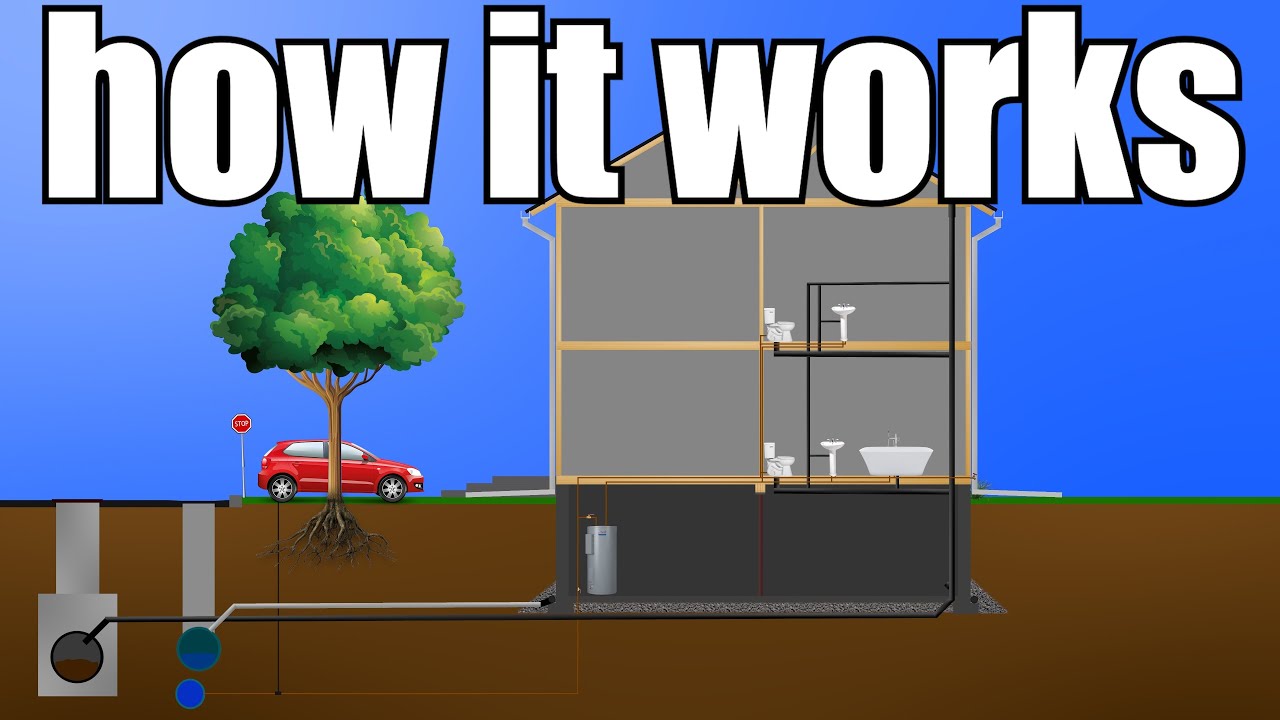
When you think about your home, you might picture cozy rooms, beautiful decor, or maybe even the garden. But have you ever considered the plumbing? It’s often overlooked, yet it plays a vital role in our daily lives. Every aspect of our daily life relies on the unseen plumbing system that runs beneath our homes. This blog will explore the essential components of home plumbing, including waste drains, waste vents, potable water systems, and rainwater management.
1. Waste Drains and Their Materials
Waste drains are the backbone of any plumbing system. They transport waste from various fixtures like toilets, sinks, and showers to the main drainage system. But what materials are these drains made of? The most common materials include:
- ABS (Acrylonitrile Butadiene Styrene): A lightweight plastic that is resistant to impact and easy to install.
- PVC (Polyvinyl Chloride): Another plastic option that is durable and cost-effective.
- Cast Iron: A traditional material known for its strength and longevity, often used in older homes.
Each material has its pros and cons. For instance, while cast iron is sturdy, it can be heavy and difficult to work with. On the other hand, ABS and PVC are lighter and easier to handle, making them popular choices for modern plumbing.
Drain pipes are designed to slope slightly toward the main drainage system. This slope allows gravity to do its job, ensuring waste flows smoothly. To maintain these pipes, cleanouts are installed. These are access points that allow plumbers to clear blockages and perform maintenance tasks.
Drain Pipe Sizes
Understanding drain pipe sizes is crucial for effective plumbing. Here’s a quick overview:
| Fixture | Drain Pipe Size |
|---|---|
| Toilets | 3 inches |
| Sinks | 2 inches |
| Showers | 1.5-2 inches |
These sizes are not arbitrary; they are designed to ensure proper flow and prevent clogs. For instance, toilets require larger pipes due to the volume of waste they handle.
2. Importance of Waste Vents
Waste vents might not be the first thing that comes to mind when discussing plumbing, but they are essential. Waste vents allow air to enter the plumbing system, which helps maintain proper pressure. Without vents, negative pressure can build up, leading to slow drainage or even siphoning water out of traps.
Imagine flushing a toilet without a vent. The sudden rush of water would create a vacuum, causing gurgling sounds and potentially leading to a backup. This is why proper venting is crucial. Roof vents are commonly used to provide air access. They must remain clear of debris to function effectively.
Preventing Sewer Gas Infiltration
Another critical function of waste vents is to prevent sewer gases from entering the home. These gases can be harmful and unpleasant. By allowing air to circulate, vents help keep these gases contained within the plumbing system.
3. Overview of Potable Water Systems
Potable water systems are responsible for delivering clean, drinkable water to homes. Typically, water enters the home through a copper line that is three-quarters of an inch in diameter. This line connects to a shut-off valve, which is usually located in the basement.
From there, the water flows to a hot water tank, where it is heated and distributed throughout the home. While older homes might still have CPVC or copper lines, newer constructions often use PEX (cross-linked polyethylene) due to its flexibility and ease of installation.
In rural areas without municipal water services, residents often rely on wells. These wells can be drilled deep into the ground, sometimes reaching 500 feet, to access groundwater. A generator is recommended for these systems to ensure water availability during power outages.
4. Significance of Rainwater Management
Rainwater management is often an overlooked aspect of plumbing. Historically, rainwater was combined with sewage systems, but modern practices have separated these systems. This separation improves water management and reduces the risk of contamination.
Rainwater collected on rooftops is channeled into gutters that divert water away from the house. This is crucial for preventing water damage. Many homeowners opt to install downspouts or rain barrels to collect water for non-potable uses, like watering gardens.
However, improper connections to municipal drains can lead to overloading, which is problematic. A French drain is one solution to manage excess groundwater around a home’s foundation. This system uses a perforated pipe surrounded by gravel to redirect water away from the foundation.
Waste and Rainwater Treatment
After leaving a home, wastewater is typically pumped to municipal treatment facilities. Here, it undergoes multiple filtration and treatment stages before being released back into nearby rivers. Conversely, rainwater is often diverted directly into rivers. This cycle is essential for maintaining clean water sources.
Conclusion
Understanding the essential components of home plumbing is vital for homeowners. Waste drains, waste vents, potable water systems, and rainwater management each play a significant role in ensuring a home's plumbing functions efficiently. By being aware of these systems, homeowners can better appreciate the work that goes on behind the scenes. Proper maintenance and knowledge can lead to a healthier, more sustainable living environment. In the end, the plumbing system, while often unseen, is crucial for our daily lives.
TL;DR: Home plumbing is an intricate system involving drainage, venting, and water management, essential for daily life. Understanding its components aids homeowners in maintaining their plumbing effectively.

